The 12 grapes, the passport to a year full of good things
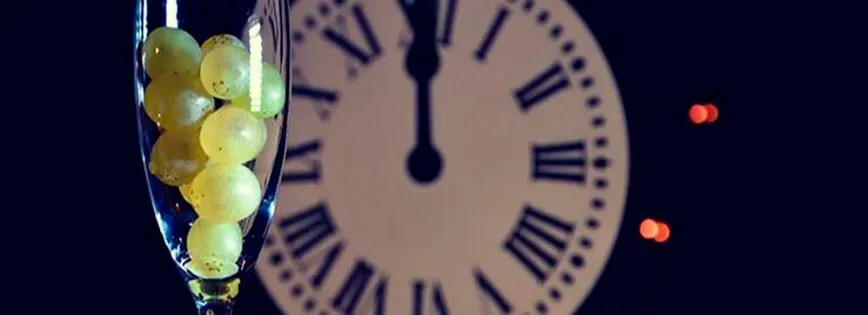
The last night of the year is a magical moment in many cultures. In different countries there are curious traditions for the last minutes of the year: the Italians throw old objects out of the window, the Brazilians of Copacabana honor the goddess of the sea, the Danes throw the crockery on the floor… And what do the Spaniards do? Spaniards eat 12 grapes (fresh ones) following the rhythm of the chimes.
This centuries-old tradition has traveled far, and today the 12 grapes are also eaten in Latin American countries.
The 12 grapes in Spain: do they really bring good luck?
At 12 o’clock on the night of December 31 to January 1, 12 grapes are eaten, or rather, swallowed to the rhythm of the 12 chimes (in 36 seconds). These grapes are also known as the 12 grapes of good luck.
According to tradition, if you manage to eat the 12 grapes following the rhythm of the chimes, you will have a prosperous year. It is said that these 12 grapes (1 per chime), represent the 12 months of the year. For each grape you get to eat, you will have a lucky month in the coming year. It is also believed that if you meet the challenge, you can make a wish for the new year, as long as you are able to vocalize with so many grapes in your mouth!
Once the clock strikes 12:00 midnight and you manage to finish the grapes, the entrance of the next year is celebrated with a unison shout: Happy New Year! It is usually the most emotional moment of the night as memories of the whole year come to the surface, both sad and happy, and families merge in a big hug while the Mecano song “Un año más” (One more year) is played.
Madrid, the Puerta del Sol and the emblematic clock
El lugar más simbólico para tomarse las 12 uvas es en la puerta del Sol de Madrid, donde se encuentra el Reloj de la Casa de Correos. Este reloj es el que marca el ritmo de las 12 campanadas, y en cada campanada tienes que comerte una uva.

The chimes are also broadcasted by almost all Spanish channels where you can follow the event with your favorite presenters, each family has their own.
Where does the tradition of eating 12 grapes on New Year’s Eve come from?
There are different explanations for this tradition. The best known goes back to 1909, when Spain had a very good grape harvest. The producers decided to take advantage of the occasion and began to sell “good luck grapes” packaged in bags.
Although this explanation is the most widespread, it is not widely accepted and may simply be a local legend that popularized and publicized an existing custom.
However, newspapers in 1982 already mentioned this custom: it was said that the upper class of Madrid during New Year’s Eve used to eat grapes and drink champagne at the Puerta del Sol. Among the archives of the National Library of Spain you can find the newspaper “El Siglo Futuro” of January 2, 1984 where the article dedicated to this event was published.
It was not until the beginning of the 20th century that the tradition spread to other areas. Moreover, it coincided with a surplus of grape production in the Levante area. Since then this custom was sponsored and the result is that centuries later we continue to celebrate this tradition.
Ending the party on a high note
Of course, this is the general tradition. But each family creates its own customs, such as substituting the grapes for tangerine segments or even some kind of candy like Lacasitos. There are families in which even the only goal is to have a good time and end up throwing grapes at each other to distract them from the main challenge.
After a long night of partying, there’s nothing better than a good chocolate with churros to ease the hangover in the early hours of the morning. The last tradition before going to bed is to go to a churrería to start the new year on the right foot. And the truth is, there is nothing better in the middle of winter to warm up than some good churros with hot chocolate.
You already have all the information you need for this New Year’s Eve, are you able to eat 12 grapes in 36 seconds? Go for the challenge and learn more about Christmas traditions in Spain!
Happy New Year!